Fake ID laws by state: penalties, statutes and what businesses should know
Every US state makes it illegal for an under-21 to use a fake ID to buy alcohol. However, the penalties differ a lot from state to state. This guide compares the main laws and explains what they mean for bars, stores and dispensaries.
The national picture
What every state has in common
Fake ID law is mostly state law. Even so, a few rules now apply almost everywhere.
Banned in all 50 states
All 50 states and Washington, D.C. prohibit under-21s from using a false ID to get alcohol.
License suspension is common
In addition, 40 states and D.C. allow a driver’s license suspension for an under-21 who uses a false ID.
Under-21 IDs look different
Meanwhile, 42 states issue a distinct license format to drivers under 21. That makes an underage card easier to spot.
Source: Responsibility.org, citing the NIAAA Alcohol Policy Information System (APIS).
State comparison
Fake ID penalties in eight major states
The table below covers the states with the largest populations and busiest nightlife markets. Also, each row cites the statute, so that you can read the source yourself.
South and West: California, Florida and Texas
| State | Main statutes | Typical penalty for an under-21 user |
|---|---|---|
| California | Bus. & Prof. Code §25661 | Misdemeanor. A first offense brings a fine of at least $250 or 24–32 hours of community service.In addition, Vehicle Code §13202.5 allows a license suspension. |
| Florida | Fla. Stat. §322.212; §562.11(2) | Possessing a counterfeit or fictitious license is a third-degree felony, with up to 5 years and a $5,000 fine.By contrast, an altered date of birth, or lying about age to buy alcohol, is a second-degree misdemeanor. |
| Texas | Alco. Bev. Code §106.07; Transp. Code §521.451, §521.453 | Misrepresenting age to buy alcohol is a Class C misdemeanor, with a fine of up to $500.However, possessing a fictitious or altered license can be a Class A misdemeanor, with up to 1 year in jail. |
Northeast and Midwest: Illinois, Massachusetts, New York, Ohio and Pennsylvania
| State | Main statutes | Typical penalty for an under-21 user |
|---|---|---|
| Illinois | 625 ILCS 5/6-301.1 and 6-301.2 | Possessing a fraudulent license is a Class 4 felony, with a minimum $500 fine or 50 hours of community service.However, a fictitious or altered license is a Class A misdemeanor on a first offense. |
| Massachusetts | M.G.L. ch. 138 §34B; ch. 90 §24B | Using a false ID to buy alcohol can bring a fine of up to $200 or up to 3 months in jail.Meanwhile, making or using a forged license carries far higher penalties, plus a license suspension. |
| New York | ABC Law §65-b | A first violation brings a fine of up to $100 and/or up to 30 hours of community service.If the fake was a driver’s license, the court can also suspend driving privileges. |
| Ohio | Ohio Rev. Code §4507.30 | Displaying a fictitious or altered license is a first-degree misdemeanor.Currently, that class allows up to 180 days in jail and a $1,000 fine. |
| Pennsylvania | 18 Pa.C.S. §6310.3 | A first offense is a summary offense. Any later offense becomes a third-degree misdemeanor.Also, police must notify the parents or guardian of a charged minor. |
Penalties shown are for typical first offenses by an under-21 user. In addition, making or selling fake IDs is a separate, more serious crime in every state listed. Last reviewed November 2026.
Reading the table
Three patterns behind the numbers
First, the type of document matters. For example, lying about age at a counter is usually a minor offense. By contrast, holding a counterfeit government license is often treated as forgery or fraud.
Second, repeat offenses climb fast. For example, Pennsylvania treats a first offense as a summary offense. A second offense, however, becomes a misdemeanor.
Third, the driver’s license is often the real penalty. Many young people can easily pay a small fine. Losing the right to drive for months, on the other hand, affects school, work and family life.
For business owners
What fake ID laws mean for your business
The laws above punish the person with the fake. Still, the business that serves them can face its own penalty.
Sellers still carry the risk
An underage sale can lead to fines, a citation or action against your license. That is true even when the customer showed a convincing fake.
Good-faith checks can help
Some states give sellers a defense when staff checked ID in good faith. For instance, Massachusetts protects reasonable reliance on an ID, and New York law addresses ID scanning devices.
Consistency is the defense
A defense is only as strong as your routine. As a result, every guest needs the same check, every shift, at every door.
Records show what happened
A dated record of each check shows that staff did their job. It also helps managers spot patterns, such as repeat attempts with the same ID.
Staff checklist
A simple routine that fits most state rules
Your state may add steps. Nevertheless, this routine covers the basics for most licensed venues.
Ask for ID every time
Check anyone who looks under your set age, for example under 30 or 40. Then a fixed rule removes guesswork at busy times.
Inspect the card by hand
First, look at the photo, the hologram and the edges. Then compare the card with the person in front of you.
Scan the barcode
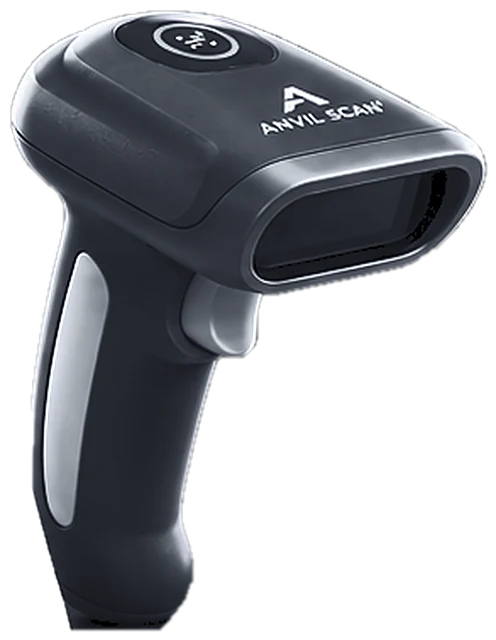
Next, scan the PDF417 barcode. A good scanner confirms the age and checks that the data matches the printed card.
Refuse when in doubt
If anything looks wrong, decline the sale or entry politely. Then follow your state rules on keeping or returning the ID.
Log the incident
Finally, record what happened. A clear log protects staff and gives managers the facts they need later.
Where scanning fits
How an ID scanner supports compliance
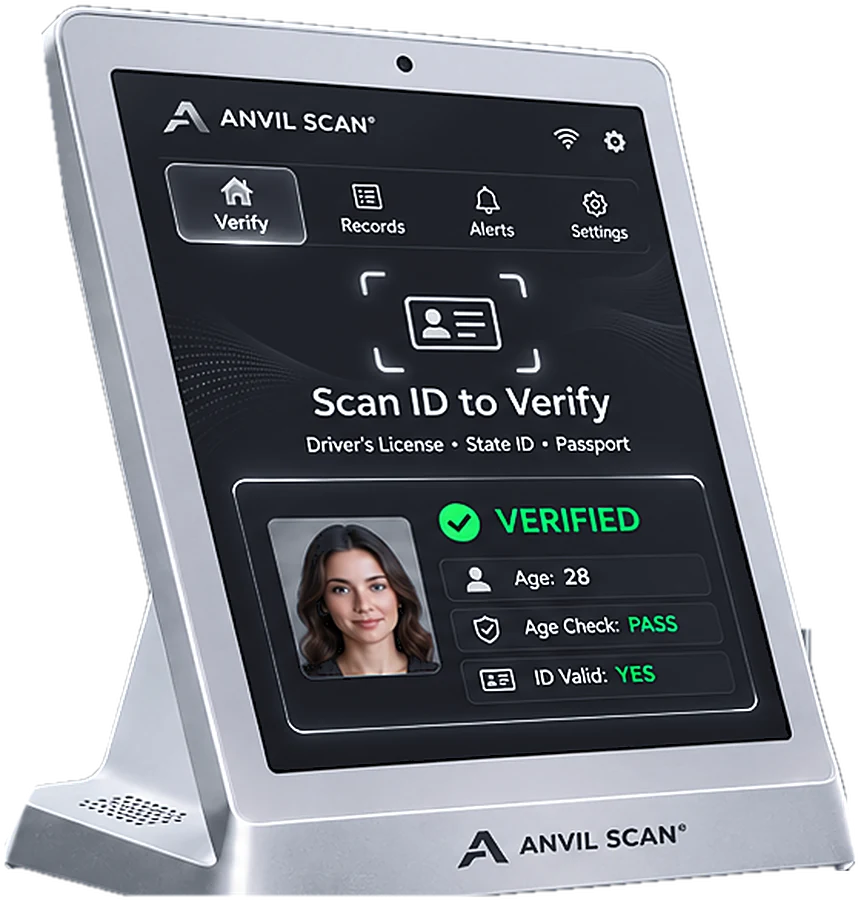
A scanner does not change the law. Instead, it makes your ID check faster and more consistent. Sentinel ID+ reads the barcode on US and Canadian IDs, applies your age rule and shows staff a clear result.
Moreover, it flags expired IDs and data that does not match the printed card. In addition, it keeps a record of each check for the period you choose. For handheld checks in a line, the Anvil Scan Q2 offers a large touchscreen and incident recording.
To learn the warning signs staff should still check by eye, read how to spot a fake ID. For the risks of buying a fake online, see our guide to IDGod fake ID risks.
FAQ
Fake ID law questions, answered
Is having a fake ID a felony?
It depends on the state. In Florida and Illinois, possessing a counterfeit or fraudulent license can be a felony. In California, New York and Texas, a typical first offense by an under-21 user is a misdemeanor or lesser violation.
Can you lose your driver’s license for using a fake ID?
Yes, in many states. In fact, 40 states and Washington, D.C. allow a driver’s license suspension for an under-21 who uses a false ID to buy alcohol.
What happens to a bar or store that accepts a fake ID?
The seller can still face a citation, a fine or action against its liquor license for an underage sale. However, some states give sellers a defense when they checked ID in good faith. As a result, a consistent ID check and a clear record matter.
Can a business take a fake ID from a customer?
Some states let licensees seize an ID they believe is false, while others do not. Before you train staff to keep IDs, check your state rules and your local police policy.
Does an ID scanner protect my business legally?
A scanner does not replace the law or staff judgment. Still, it makes each check consistent, and a dated record shows that staff verified the ID. A few states also link scanner use to a seller defense.
Where can I check the current law for my state?
Start with your state alcohol or tobacco licensing agency. For a national comparison, the NIAAA Alcohol Policy Information System (APIS) tracks false ID laws across all states.
Sources
Statutes and references used in this guide
- Responsibility.org: Fake ID laws by state (citing NIAAA APIS)
- NIAAA Alcohol Policy Information System (APIS)
- California Business and Professions Code §25661
- Florida Statutes §322.212 and §562.11
- Illinois Compiled Statutes 625 ILCS 5/6-301.2
- Massachusetts General Laws ch. 138 §34B
- New York Alcoholic Beverage Control Law §65-B
- Ohio Revised Code §4507.30
- Pennsylvania 18 Pa.C.S. §6310.3
- Texas Alcoholic Beverage Code §106.07
This page is general information, not legal advice. Laws also change, and local rules can add to state law. Therefore, confirm current requirements with your licensing agency or a qualified attorney.
Get started
Make every ID check consistent
See how Sentinel ID+ helps your team verify age the same way on every shift.